


Pathology
Your Blood Tests Are Only Part Of Your Solution
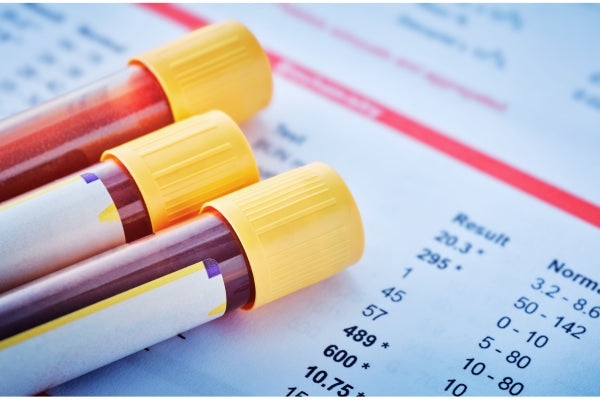
Beyond Normal: Why "Normal Ranges" Create a False Sense of Security
The standard reference ranges used by most GPs are based on population averages - not on what’s optimal for vibrant, balanced health.
In other words, you don’t want to be “normal,” because normal simply means you fall somewhere within the average of everyone tested - including people who are unwell.
At Renew Health Co., we interpret your results using functional and optimal ranges. This gives us a clearer picture of what your body truly needs to prevent issues before they arise, not just treat them once they do.
What We Look For In Your Results
Why Blood Tests Are Often the Last Place Imbalance Shows Up
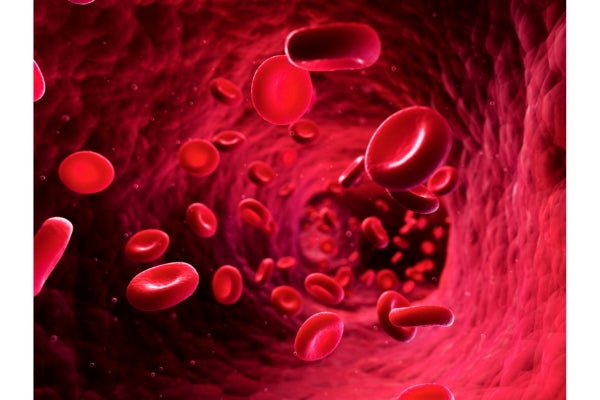
Full Blood Examination
Provides a baseline view of your red and white blood cells, haemoglobin levels and general immune activity. Can indicate infection, inflammation or deficiencies.
Liver & Kidney Function
Liver and kidney function tests are blood tests used to assess how well these organs are performing their essential roles in metabolism, detoxification, and waste removal. Liver function tests typically measure enzymes such as ALT, AST, ALP, and GGT, as well as bilirubin and protein levels, which reflect liver cell integrity, bile flow, and the liver’s ability to process and clear substances.
Kidney function tests commonly include creatinine, urea, and estimated glomerular filtration rate (eGFR), which indicate how efficiently the kidneys are filtering waste products from the blood and maintaining fluid and electrolyte balance. Abnormal results can reflect impaired detoxification, reduced filtration capacity, tissue stress, or altered metabolic function.
Uric Acid
Reveals acidity in the body, kidney function, hydration and inflammation levels. Elevated uric acid can indicate risks for gout, kidney stones or cardiovascular issues.
TSH (Full Panel)
TSH alone isn’t enough. For a comprehensive assessment, you need:
- TSH (Thyroid Stimulating Hormone)
- Free T4
- Free T3
- Thyroid antibodies (to check for autoimmune thyroid conditions)
TSH alone provides only a signal from the brain to the thyroid, but it does not show how much thyroid hormone is actually available to the body or how well the thyroid is functioning.
Free T4 reflects the amount of hormone produced by the thyroid gland, while Free T3 shows the active hormone that directly affects metabolism, energy production, temperature regulation, and cellular function. Measuring both Free T4 and Free T3 helps assess hormone production and conversion into the active form.
Thyroid antibodies are also important because they identify autoimmune activity, where the immune system targets thyroid tissue, which can alter thyroid function even when TSH appears normal. Testing all of these markers together provides a more complete picture of thyroid hormone production, activation, and immune involvement.
Fasting Insulin
Fasting insulin measures the amount of insulin the pancreas produces after a period without food, providing insight into how the body is regulating blood sugar.
This differs from fasting glucose, which measures the level of sugar circulating in the blood at that moment.
We ask you test for fasting Insulin because it can reveal early changes in metabolic function, particularly insulin resistance, even when fasting glucose still appears normal.
The body can maintain normal glucose levels by producing higher amounts of insulin, so testing insulin helps identify this compensation and gives a clearer picture of how efficiently the body is managing blood sugar and maintaining metabolic balance.
CRP & ESR
These are inflammation markers associated with the liver and kidneys that help identify tissue damage and inflammatory activity within the body. Persistent elevation can indicate ongoing physiological stress or underlying disease processes.
MTHFR
MTHFR is a gene that controls an enzyme needed to activate folate, a B vitamin required for many essential processes in the body. Active folate is important for making DNA, supporting brain chemistry, detoxification, and regulating homocysteine levels in the blood. Testing for MTHFR can show whether a person has a genetic variation that makes this process less efficient. This can help explain issues with folate metabolism, elevated homocysteine, or reduced methylation function. Knowing MTHFR status helps provide a clearer understanding of how the body processes certain nutrients and maintains normal cellular function.
Homocysteine
Gives insight into your body’s methylation and detox pathways, while also serving as a marker of cardiovascular risk.
Vitamin D
Known as the “sunshine vitamin,” this is essential for:
- Bone strength and density
- Hormone health (including thyroid and reproductive hormones)
- Immune resilience
- Mental health and mood stability
Iron (Full Panel Inc. Ferritin)
Iron is a key mineral measured in blood tests because it is essential for the production of haemoglobin, the protein in red blood cells that transports oxygen from the lungs to tissues throughout the body. Iron is also involved in energy production, mitochondrial function, DNA synthesis, and proper immune system activity.
Ferritin is often thought of as an iron storage marker because it reflects the amount of stored iron available in the body. However, ferritin is also a strong indicator of liver function and systemic inflammation. Low ferritin may indicate depleted iron stores, poor absorption, or chronic blood loss, while elevated ferritin can be associated with inflammation, liver stress, infection, or altered iron regulation.
Magnesium RBC
Unlike serum magnesium, which only reflects what’s circulating in your blood at the time, this test measures the amount of magnesium inside red blood cells. This provides a more accurate picture of your magnesium status - crucial for energy, muscle health, and nervous system balance.
Vitamin B12
Essential for nerve function, red blood cell production and energy metabolism. Borderline levels may still cause fatigue or brain fog.
Folate
Important for cell repair, DNA synthesis and methylation. Low folate can impact energy, mood, and detoxification.
Zinc
Supports immune function, skin integrity and wound healing. Low levels can reflect poor absorption or increased demand due to stress or inflammation.
Need to Organise Blood Tests Before Your Consult?
If you haven’t had blood tests in the past 3 - 6 months, we recommend organising them before your appointment. These results allow us to create a more complete picture of your current health.
While your GP can order many of these tests, it’s important to know that standard medical practice is focused on diagnosing disease - not necessarily preventing it. For that reason, some GPs may be reluctant to order certain markers if there isn’t a clear clinical need.
If you’re comfortable paying privately, i-Medical offers a convenient way to access the exact tests you’d like without needing a referral. This gives you the freedom to explore your health more deeply, and without feeling questioned about your choices.